

School drop-offs can be hard. One morning your child might walk through the gate without looking back, and the next they’re holding your hand tightly and begging you not to leave.
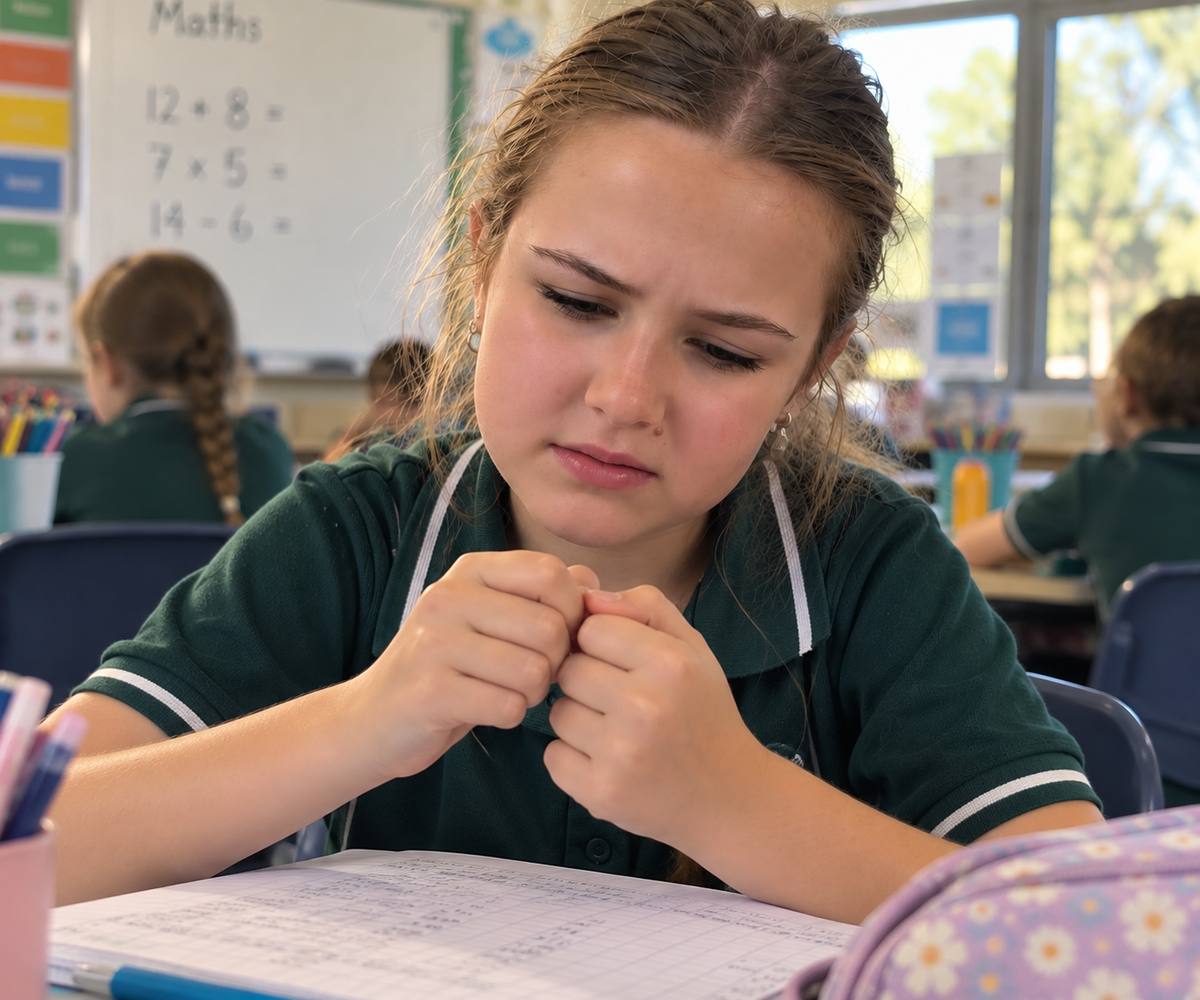
For some children, saying goodbye at school brings up really big feelings. They might cry, complain of a sore tummy, become unusually quiet, or simply tell you they don’t want to go. And for parents, knowing how to help without making the goodbye even harder can be tricky.
The good news is that small, predictable routines can make school transitions feel a little safer. Here are seven gentle strategies you can try when saying goodbye feels hard.
1. Create a predictable goodbye routine
Children often cope better when they know what is going to happen next. Try creating a short goodbye routine that stays the same each morning, perhaps a hug, a special phrase, a high-five and then goodbye.
Keeping the routine simple and consistent can make the transition more predictable. Try to avoid repeatedly coming back for “one more hug”, as this can sometimes make the goodbye feel bigger rather than easier.
2. Give them something familiar to take with them
A small familiar object can give children a sense of connection when they are away from home. It might be a little note in their lunchbox, a friendship bracelet, a family photo or a small comfort item they can keep close.
For some children, having something they can quietly touch or hold during the school day can be reassuring when they miss home or big feelings appear.
This is one of the reasons I created NIBSY. NIBSY is a tiny wearable companion that wraps around a child’s thumb, so they can take their little friend with them from home to school. They can hold it, squeeze it or rub the textured back quietly when they need a little comfort or reassurance.

3. Keep the goodbye short and confident
Long goodbyes can sometimes make separation harder. Once you’ve completed your little goodbye routine, try to keep the final farewell warm, calm and brief.
You might say something simple like, “I love you. You’re safe. I’ll see you after school.” Then allow the teacher or school staff member to take over.
Your child may still feel upset and that’s okay. The goal isn’t to make every difficult feeling disappear. It’s to create a consistent goodbye that helps them know what happens next.
4. Talk about what happens after goodbye
Sometimes the hardest part of school drop-off is not knowing what comes next. Before school, gently talk your child through the first few parts of their day, “First you’ll put your bag away, then you’ll see your teacher, and then you’ll sit with your friends.”
You can also remind them what will happen at the end of the day: “After school, I’ll be right here to pick you up.”
Keeping it simple can make the school day feel more manageable. Rather than focusing on the whole day ahead, you’re helping your child think about one small, predictable step at a time.
5. Practise the goodbye when things are calm
School mornings aren’t always the easiest time to learn a new coping strategy. Try practising your goodbye routine at home when everyone is relaxed.
You could role-play getting to the school gate, saying your special phrase, having your hug and then saying goodbye. Keep it light and playful rather than turning it into another thing your child has to “get right”.
The more familiar the routine becomes, the less uncertainty there may be when it’s time to use it for real.

6. Give them something to look forward to
Having a small point of connection after school can make saying goodbye feel a little easier. It doesn’t need to be a reward or anything elaborate just something familiar your child can look forward to.
You might plan to have afternoon tea together, read a favourite book, go for a walk or simply have some quiet time and hear about their day.
You can remind them at drop-off: “I’ll see you this afternoon, and I can’t wait to hear about your day.” It gives them a gentle reminder that goodbye is temporary and that you’ll reconnect again soon.
7. Notice and celebrate the small wins
Progress doesn’t always look like a tear-free goodbye. Sometimes the win is getting dressed without a battle, walking through the school gate, letting go of your hand a little sooner, or finding something that helps them through a difficult moment.
Notice those small steps and let your child know you saw them. You might say, “That goodbye felt really hard this morning, and you still made it into class.”
Over time, those little moments can help children recognise something important: they can have big feelings and still do brave things.
A little reminder for parents
Some school goodbyes are simply harder than others. What works beautifully for one child might not work for another, and sometimes it takes a little trial and error to discover what helps your child feel more secure.
Be patient with the process. Keep the routines simple, notice the small wins and remember that needing a little extra comfort during separation is nothing to be embarrassed about.
When you can't be there, NIBSY can
NIBSY was created to be a tiny companion children can take with them into the moments when their grown-up can’t be right beside them. Worn around their thumb, NIBSY is quiet, discreet and always close by — ready to hold, squeeze or rub when big feelings appear.
Each NIBSY has their own little superpower, from comfort and bravery to confidence, positive thinking and friendship, so children can choose the friend that feels right for them.